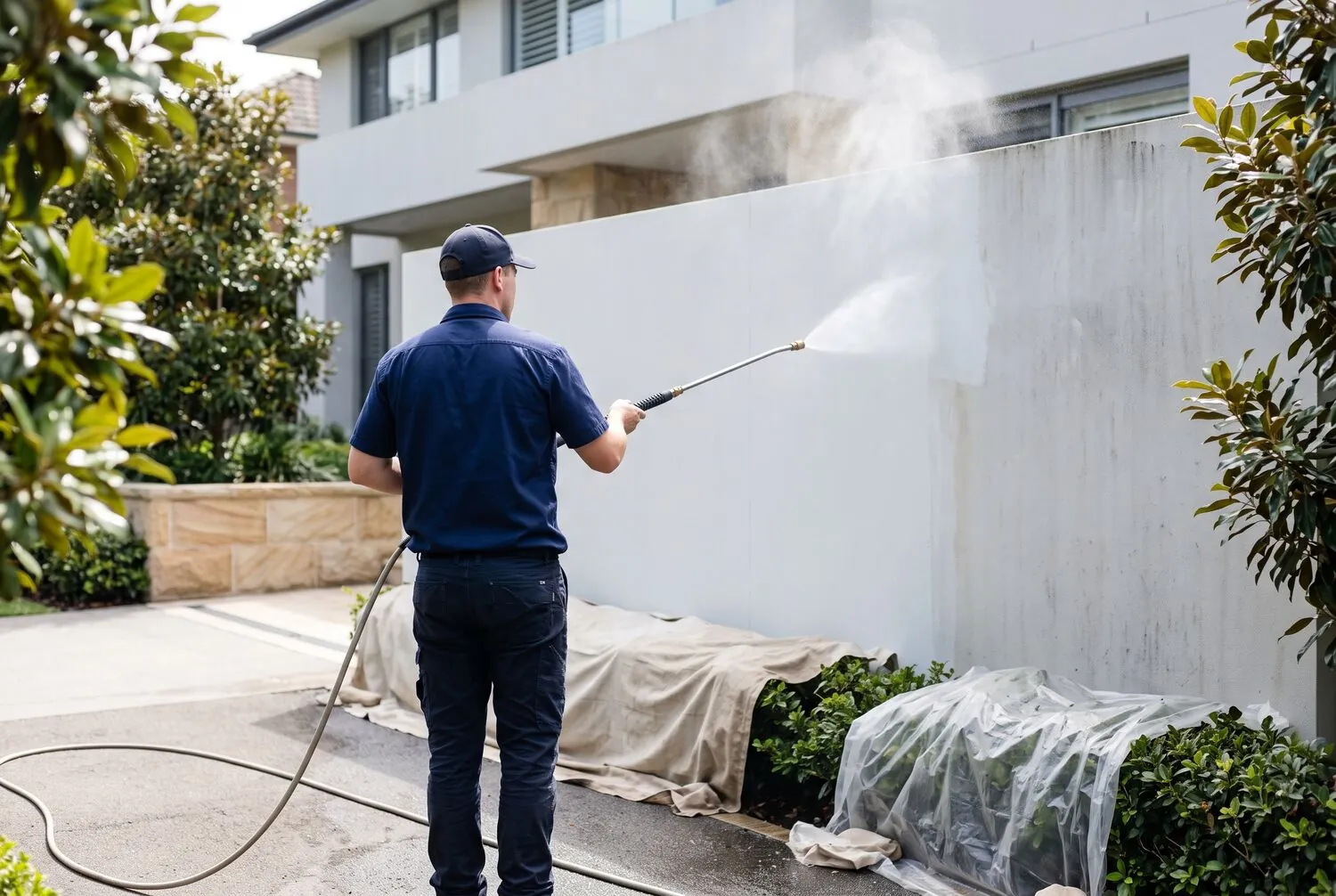
How to write a clearer strata exterior-cleaning scope
A practical guide for strata committees and managers: define surfaces, access, resident coordination and exclusions before comparing exterior-cleaning quotes.
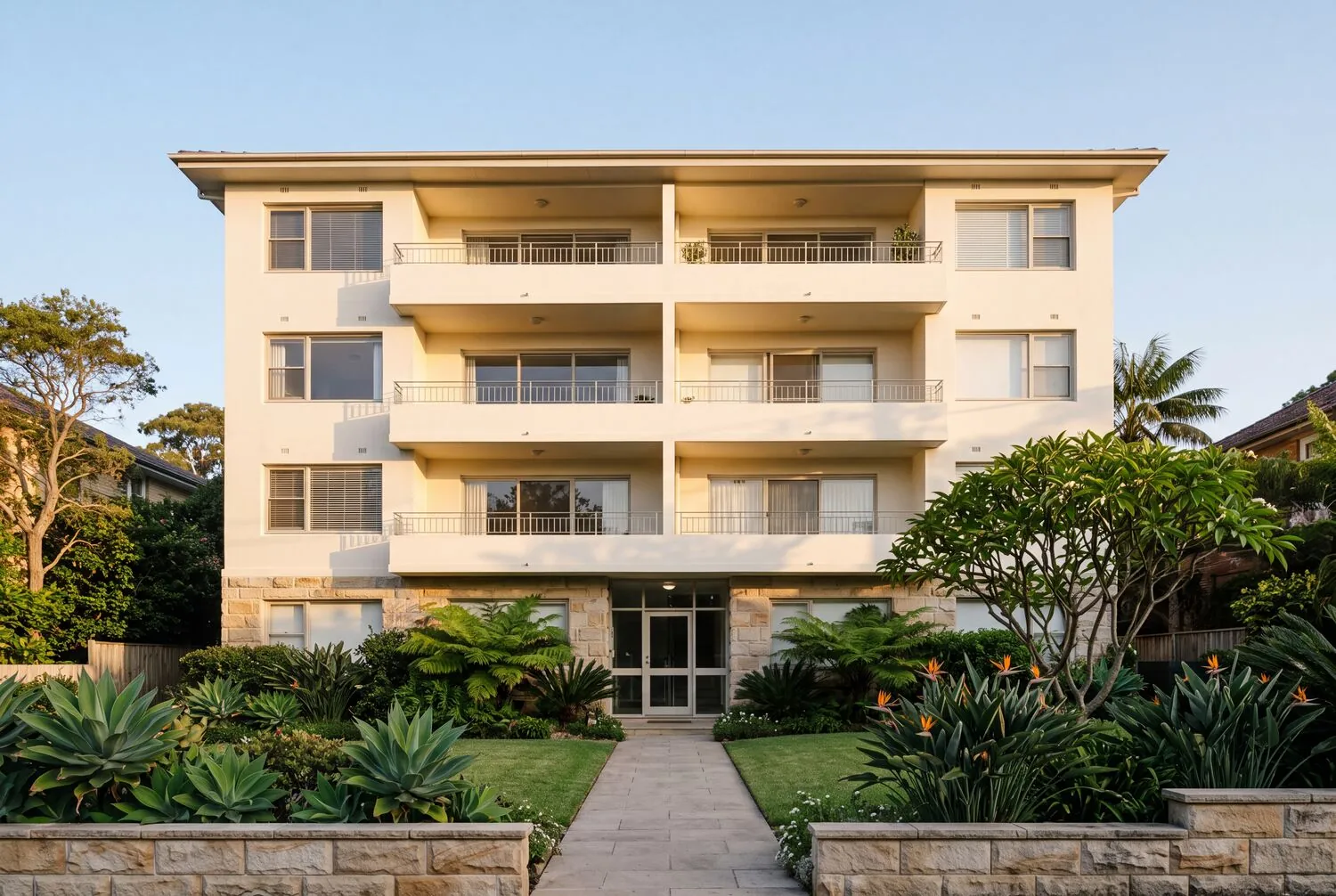
Replace a broad request with a marked scope
A request to clean the outside of a building can mean very different things to different people. One quote may include only paths and entrances, while another assumes walls, windows and a shared driveway. Start by marking the actual areas on photographs or a site plan. Label entrances, paths, courtyards, walls and parking surfaces clearly. Distinguish common property from individual lots and identify any areas whose ownership or authority needs confirmation. This makes the request easier to assess and the resulting quotes more useful to compare. Include approximate dimensions where available, but do not let an uncertain measurement replace a necessary site assessment. State the main purpose of the work, such as refreshing the entrance or cleaning selected common hard surfaces. If the budget requires priorities, list those openly so a staged scope can be considered. A precise request does not need technical language. It needs clear boundaries, a nominated contact and enough information to show what the building expects to be included before approval is sought.
Identify materials and visible maintenance issues
Common areas often combine concrete, natural stone, tile, painted walls and metal fixtures. Those materials may need different cleaning methods even when they form one continuous entrance. Photograph changes in finish and note known coatings or past treatment where available. Include loose joints, unstable pavers, peeling paint, damp patches and other visible defects in the information supplied for quoting. Cleaning does not repair these issues, and some may need attention before cleaning can proceed. It is also useful to separate ordinary dirt from specific complaints such as oil marks, rust or a change in stone sheen. Targeted stain treatment and specialist restoration may have different costs and limitations from a general clean. Avoid setting an expectation that every mark will disappear or that a clean will certify a surface’s slip resistance. Those are different questions. The contractor’s assessment should explain the proposed method for the actual surfaces, any test areas and exclusions, while leaving building repairs and specialist investigations clearly identified for the appropriate next step.
Make access and resident coordination explicit
A shared property continues to function while maintenance is planned. Residents, visitors, deliveries and vehicles may all need access, so the work plan should identify which routes or areas may be temporarily restricted. Tell the quoting business about controlled gates, loading arrangements, working-hour restrictions and any access through individual lots. A nominated manager or committee contact should coordinate approvals and resident communication. Where possible, discuss whether the work can be staged, but do not assume every entrance can remain open at all times. Equipment, active cleaning and drying may require temporary boundaries. If a main route is important for someone with access needs, raise that early so the practical options can be assessed. Upper walls, windows and roofs also need their own access review; they should not be presumed included because the building frontage is visible from the street. A clear plan joins the cleaning method to the way the property operates. It gives the authorised contact useful information for notices and helps avoid preventable delays on the day.
Compare quotes on the same basis
The most useful price comparison starts with matching the work, not just the final figure. Check which areas, methods and preparation tasks each quote includes. Are windows finished or only rinsed? Is stain treatment separate? Does a driveway item include the garage apron, ramp and pedestrian edges? Are access equipment, staging or repeat visits part of the proposal? Where natural stone is involved, cleaning and sealing should be clearly distinguished. Review exclusions and assumptions just as carefully as inclusions. A quote may reasonably exclude fragile surfaces, repairs or inaccessible upper areas, but that needs to be visible before approval. Ask for unclear items to be clarified in writing rather than relying on a broad verbal assurance. If the scope is staged, each stage should have a meaningful boundary and expected result. This approach helps the committee choose based on the actual needs of the property. It also creates a shared reference for the contractor and nominated contact, reducing the likelihood of a disagreement caused by different interpretations of what an exterior clean was meant to cover.
Review completion and keep a maintenance record
Once the work is complete, review it against the approved scope with the nominated contact. Natural variation, embedded stains, repairs and worn finishes may remain, particularly where these were identified during assessment. Record any areas that need separate maintenance rather than treating them as unresolved cleaning tasks. Keep the quote, completion notes and product information for future reference. If sealing was included, retain the aftercare and access guidance for the selected system. Photos can help document the appearance at completion, but they should not be used to imply repairs or performance that the work did not provide. The next maintenance decision should respond to the actual condition of the property rather than an assumed universal cleaning interval. Delicate Surface Cleaners can assess common entries, paths, building surfaces and suitable hard areas in a defined scope. Provide marked photographs, known material details and access requirements when enquiring. Clear information at the start supports a more useful quote, practical resident coordination and a completion review based on agreed work rather than vague expectations.
Let’s make a plan for your home.
Share the surfaces you would like assessed and the areas that concern you. Start with a free quote request.
Get a free quote