Stone sealing, considered for your Woollahra property.
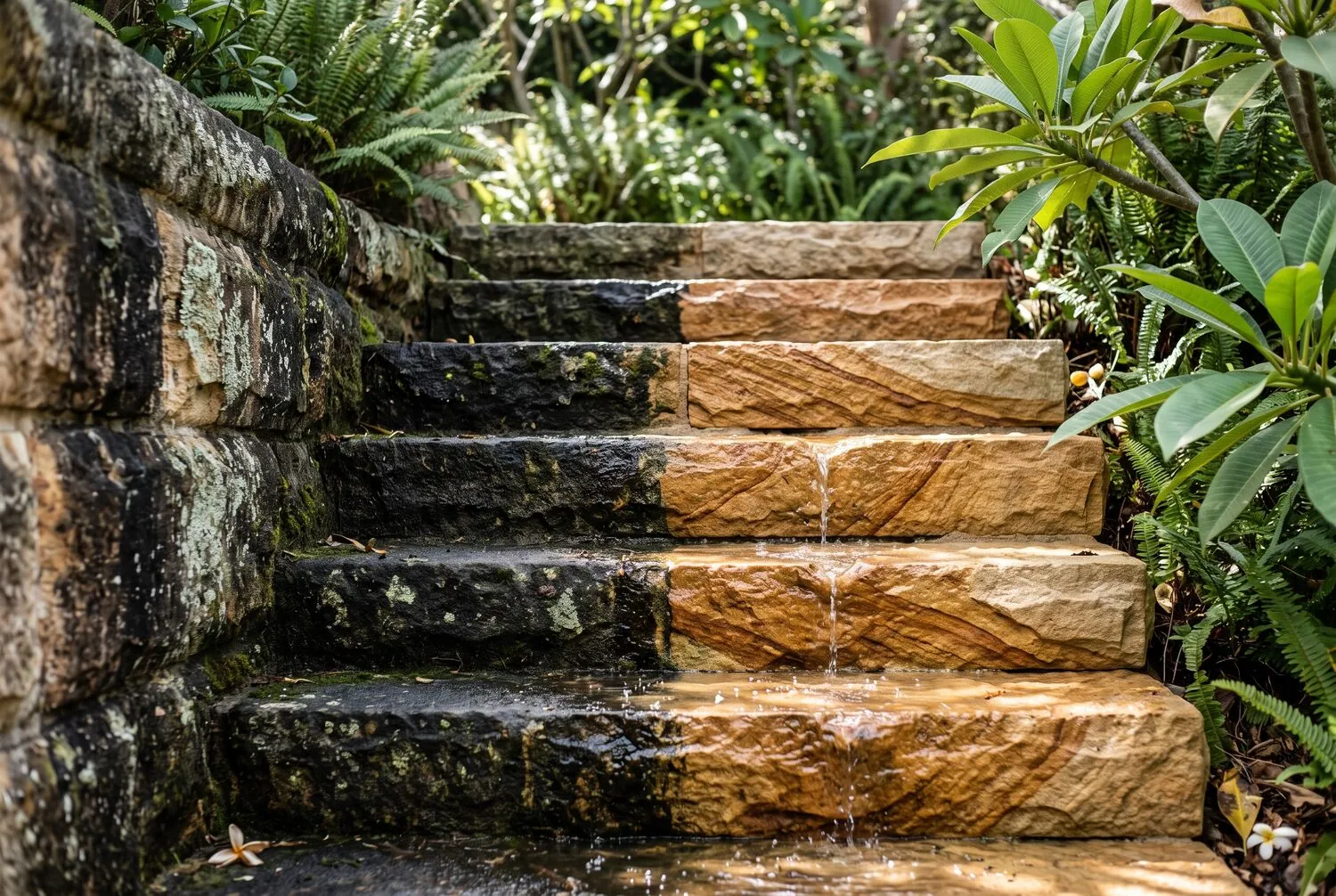
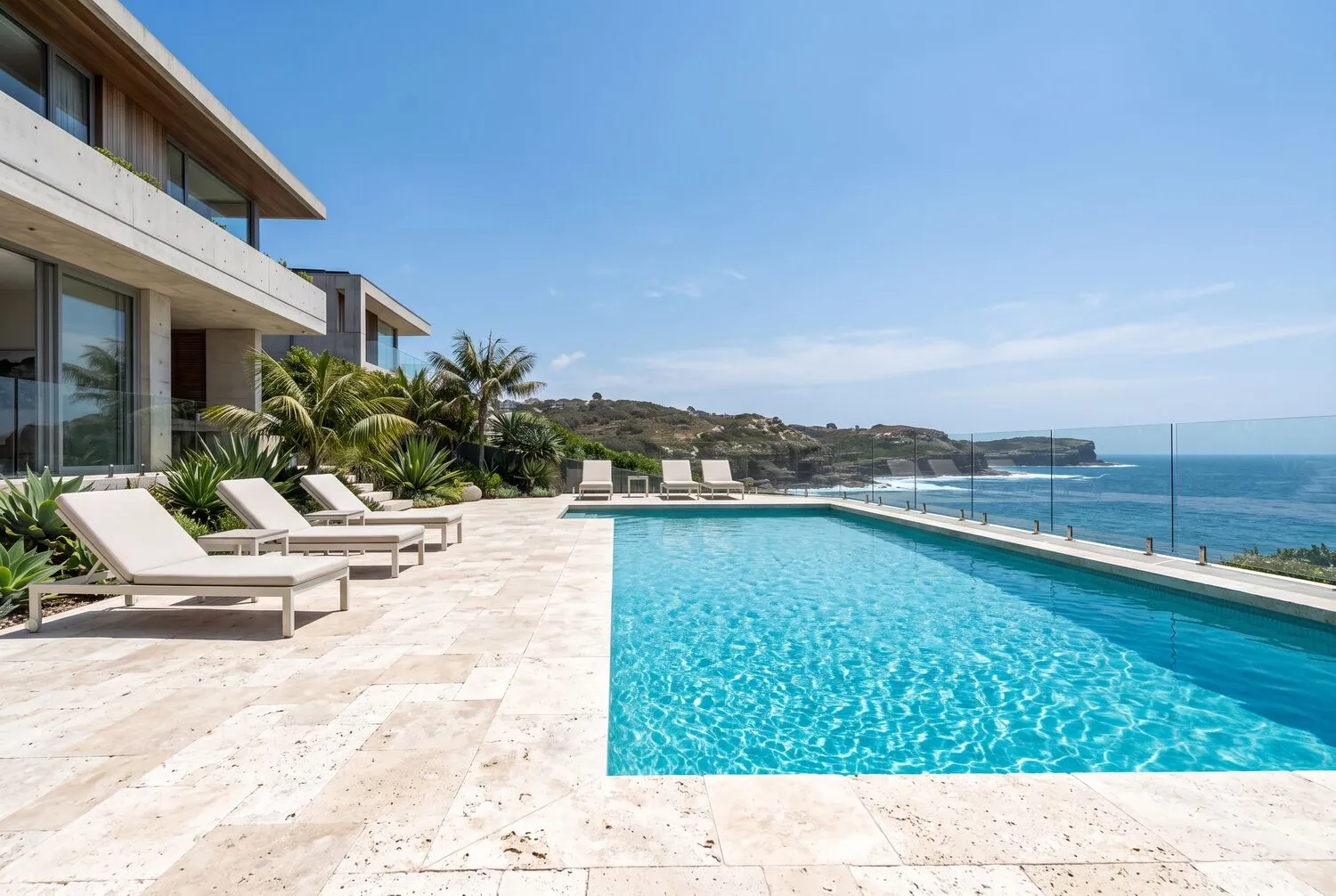
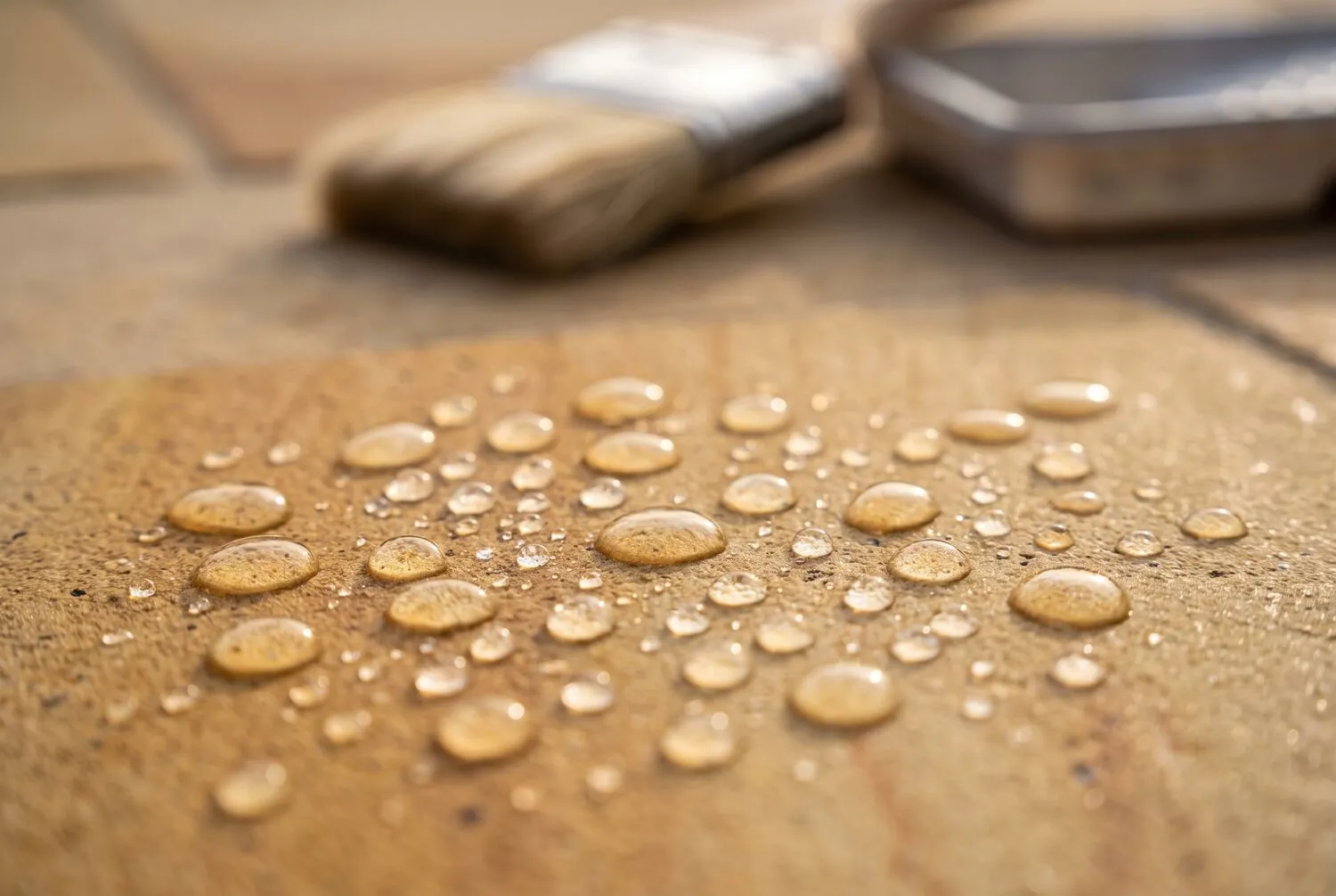
For Woollahra stone sealing, preserving an existing appearance may matter more than changing it. We discuss that preference and assess the material, old treatment and moisture conditions. A sample is useful, but sealing remains a separate decision from cleaning and cannot solve an underlying damp or drainage issue. Sealing is assessed separately from cleaning. Product selection, preparation, drying and cure requirements are stated for the proposed system. A suitable sealer still requires routine maintenance and prompt attention to spills.
Exterior care should respect the details that give a home its character. In Woollahra, we assess painted walls, masonry, stone and courtyard surfaces before choosing the method. The focus is on a defined, useful clean, with clear advice where ageing coatings, fragile joints or existing damage need attention from another specialist.
Start with suitability
A penetrating sealer and a topical coating are not interchangeable. Product choice must account for the stone, location, moisture movement and intended use. Existing coatings or persistent damp may require further investigation. Sealing is not a cure for drainage defects, rising moisture or a failing installation.
Prepare and allow the right conditions
The surface needs appropriate cleaning and preparation, followed by the drying conditions required by the selected product. Weather and moisture can affect scheduling. We explain access restrictions and cure times for the proposed system so outdoor furniture, pets and foot traffic can be planned around the work.
Understand the limits of protection
A suitable sealer may reduce absorption of some contaminants, but it does not make stone stainproof, scratchproof or maintenance free. Spills still need prompt attention. The appearance may change depending on the product, so expectations should be agreed using product information and, where practical, a sample area.
What we look at before quoting.
- Assessment of stone and existing surface treatment
- Discussion of finish preferences and product suitability
- Preparation and drying requirements in the scope
- Sample application where appropriate
- Product-specific aftercare and access guidance
A clear scope before work begins.
Surface area is only part of the picture. The material, amount of growth, staining, access and protection needed all affect the work. Share the relevant details in your enquiry so the quote can be specific to your home.
Planning the visit in Woollahra.
If your home has decorative mouldings, older painted timber or original masonry, send close-ups as well as whole-elevation photos. These details may need a different approach from robust paving. Rear courtyards can have limited drainage and access, so we ask how equipment reaches the area and where water can be managed. Neighbouring walls and shared boundaries are considered during planning. Where heritage controls apply, the owner should confirm any relevant requirements before approving work. We also ask whether a recent renovation has introduced new stone or coatings, because a single courtyard can contain materials with very different care instructions.
Let us know about gates, steps, on-site parking, water access and any strata approval required. Identify sensitive landscaping, recently installed finishes and anything that should not get wet. These details help plan the work and reduce disruption on the day.
Understanding the finish.
Cleaning can remove surface dirt and growth, but cannot reverse etching, structural damage or worn coatings. Stains may respond differently and some marks can remain. Any limitations, test requirements or specialist repairs should be discussed before work is agreed.
Ask about your surfaces